How Much Does New Siding Increase Home Value?
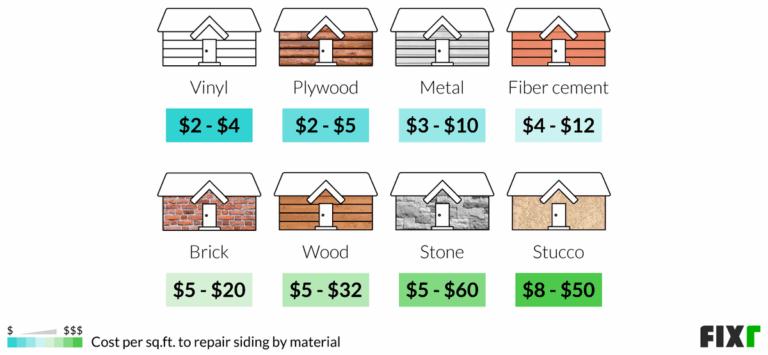
When it comes to increasing home value with new siding, several key factors come into play. The type of siding material, quality of installation, and overall curb appeal are all crucial elements that can impact the value of a home.One of the most significant factors that determine how much value new siding can add to a home is the choice of siding material.
Different materials, such as vinyl, fiber cement, wood, or brick, have varying impacts on home value. For example, high-quality fiber cement siding is known for its durability and low maintenance, which can increase the overall value of a home compared to vinyl siding.Another essential factor is the quality of installation.
Proper installation not only ensures that the siding looks visually appealing but also plays a role in the longevity and performance of the siding. A well-installed siding can enhance the structural integrity of a home, contributing to its overall value.Curb appeal is also a significant factor in determining the value of a home with new siding.
A fresh, modern look can attract potential buyers and increase the perceived value of the property. Updating the siding can transform the exterior appearance of a home, making it more appealing and potentially increasing its market value.
When comparing the impact of different siding materials on home value, it’s essential to consider factors such as durability, maintenance requirements, energy efficiency, and aesthetic appeal. Here is a breakdown of how various siding materials can influence the value of a home:
Overall, the choice of siding material should align with the architectural style of the home, budget constraints, and long-term maintenance considerations to maximize the value increase.
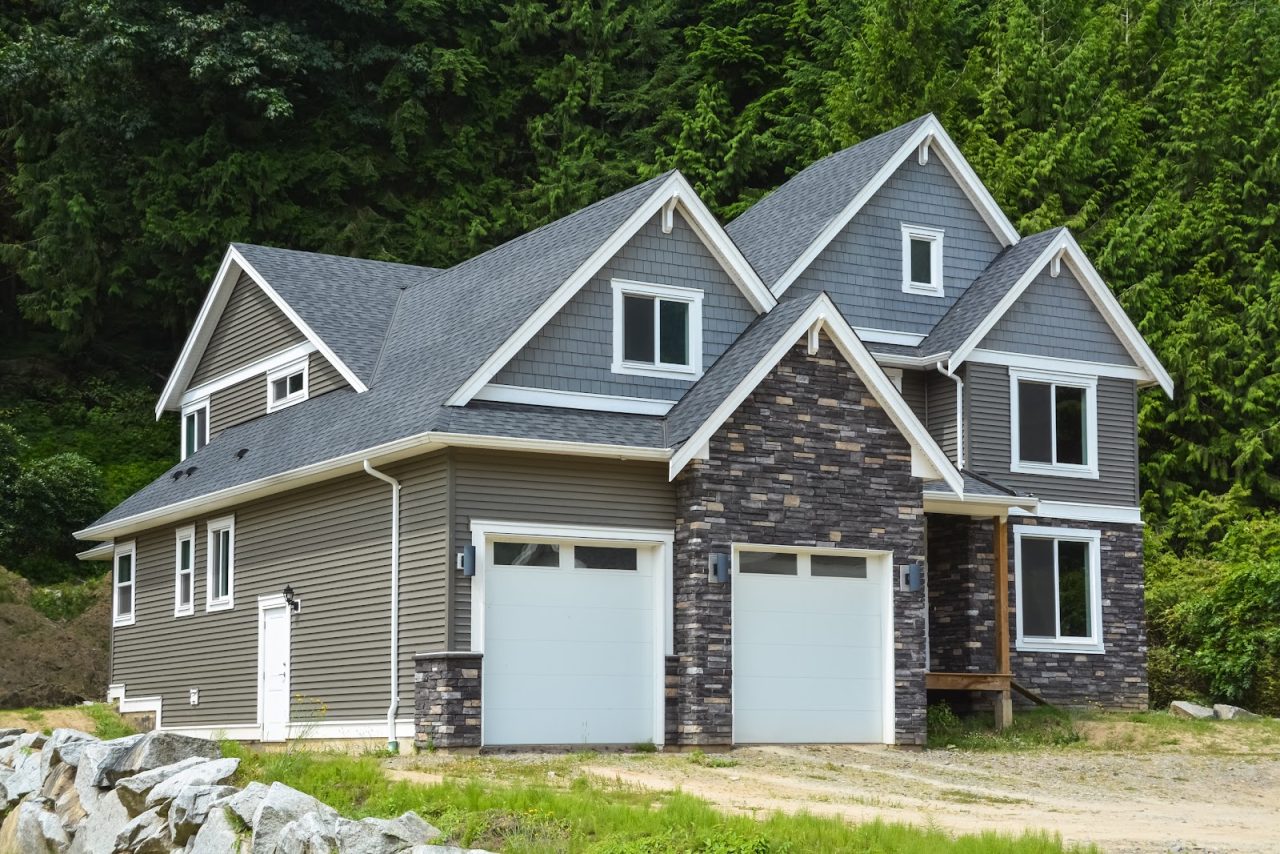
When considering new siding for your home, cost is a crucial factor to take into account. The initial investment can vary depending on several factors, but it is essential to understand how this cost relates to the long-term increase in home value.An important aspect to consider is the typical cost range for installing new siding on a home.
On average, homeowners can expect to pay between $6,000 to $15,000 for new siding installation. This cost can vary based on the size of the home, the type of siding chosen, and any additional features or customization.
When it comes to new siding, there are several potential cost-saving strategies that homeowners can consider:
Do It Yourself (DIY)
If you have the skills and experience, tackling the siding installation yourself can save you a significant amount of money on labor costs.
Choose Cost-Effective Materials
Opting for more affordable siding materials, such as vinyl or fiber cement, can help reduce the overall cost of the project while still providing durability and aesthetic appeal.
Compare Multiple Quotes
Getting quotes from multiple siding contractors can help you find the best deal and ensure you are not overpaying for the installation.
Regular Maintenance
By properly maintaining your new siding, you can extend its lifespan and prevent the need for costly repairs or replacements in the future.By being mindful of cost considerations and implementing cost-saving strategies, homeowners can make the most of their investment in new siding while increasing the overall value of their home.
When it comes to new siding and its impact on home value, one crucial factor to consider is the Return on Investment (ROI). ROI is a measure used to evaluate the efficiency or profitability of an investment relative to its cost.
In the context of new siding, the ROI is calculated by comparing the cost of the siding installation to the increase in home value it generates.
Here are some average ROI percentages for different types of siding installations:
Compared to other common home improvement projects, new siding installations generally offer a competitive ROI. Here is a rough comparison:
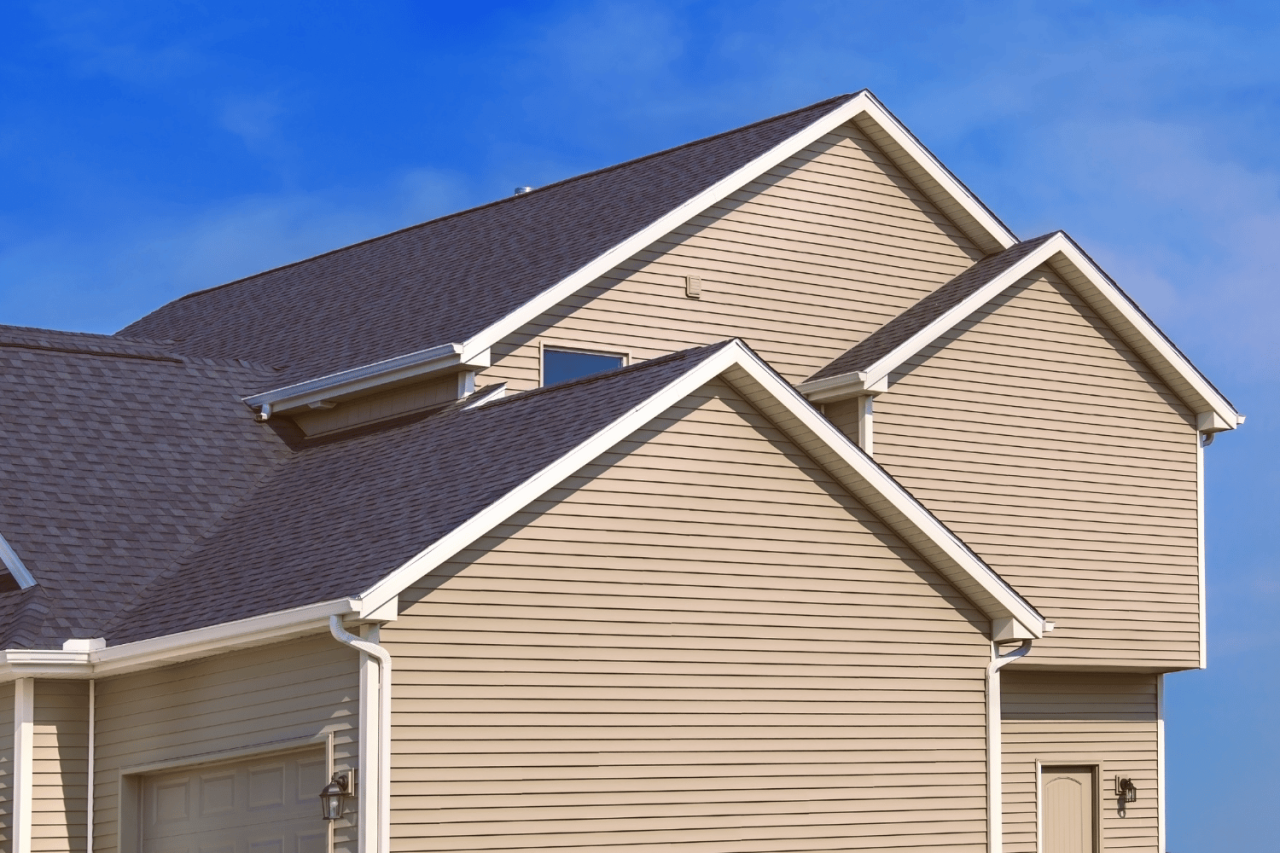
Curb appeal plays a crucial role in determining the increase in home value when new siding is installed. The exterior of a home is the first thing potential buyers see, and it significantly influences their perception of the property’s value.
When choosing siding colors and styles, it is essential to consider the overall aesthetic of the neighborhood while also aiming to stand out in a positive way. Neutral colors like gray, beige, or white are popular choices as they appeal to a wider range of buyers.
Additionally, selecting a style that complements the architectural design of the home can enhance its overall appeal.
The aesthetic impact of new siding can greatly attract potential buyers. A well-maintained and visually appealing exterior creates a positive first impression, making the property more desirable. Buyers are often willing to pay more for a home that looks modern, clean, and well-cared for.
This increased attractiveness can lead to a higher resale value for the property.
How do different siding materials impact home value?
Each siding material has varying levels of durability, maintenance needs, and aesthetic appeal, all of which can influence the overall home value.
What are some cost-saving strategies for new siding installation?
Consider bundling other home improvement projects with siding installation to save on labor costs. Additionally, exploring financing options or DIY installation can help reduce expenses.
How is ROI calculated in the context of new siding?
ROI is typically calculated by dividing the net gain from the investment (increase in home value) by the cost of the investment (siding installation). Multiply the result by 100 to get the percentage ROI.
What role does curb appeal play in increasing home value with new siding?
Curb appeal significantly impacts a home’s perceived value and can attract potential buyers. Choosing siding colors and styles that enhance curb appeal can lead to a higher property valuation.