Exterior Siding Replacement Cost: A Homeowners Complete Guide
Understanding the cost of exterior siding replacement is crucial for homeowners looking to maintain or upgrade their property. This knowledge allows homeowners to budget effectively and plan for the financial aspect of the project.
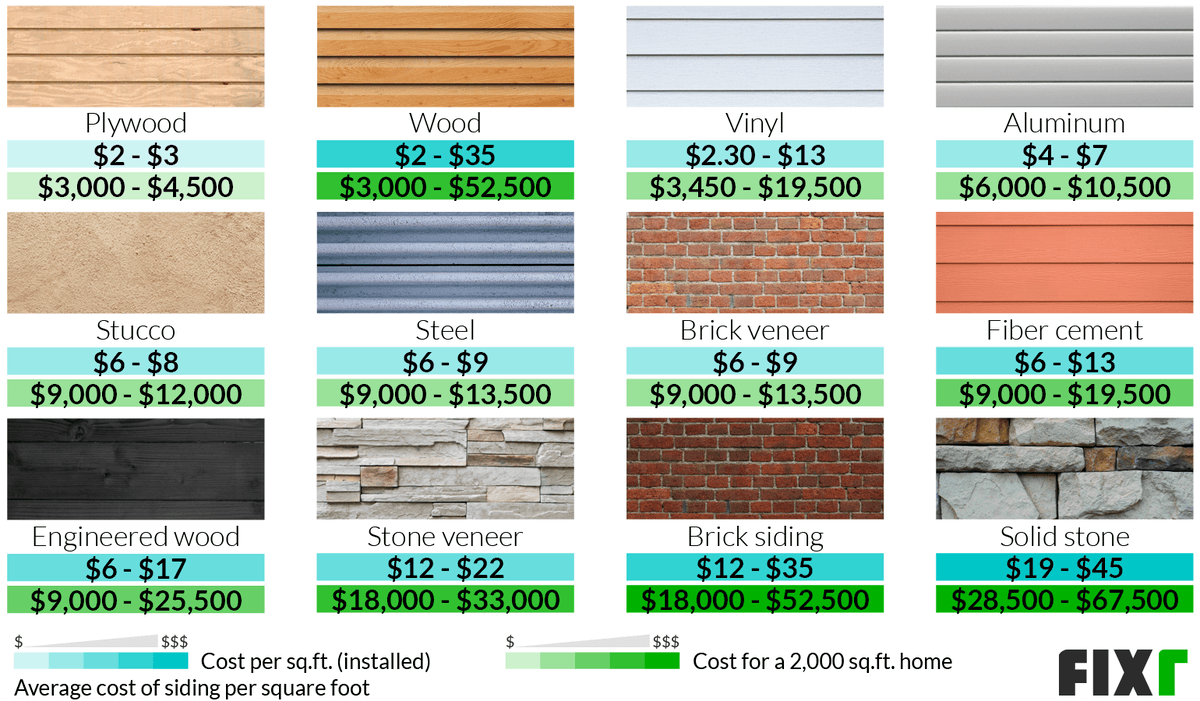
On average, homeowners can expect to pay between $5,000 to $15,000 for a complete exterior siding replacement. This range can fluctuate based on the factors mentioned above, with high-end materials and extensive projects costing upwards of $25,000 or more.
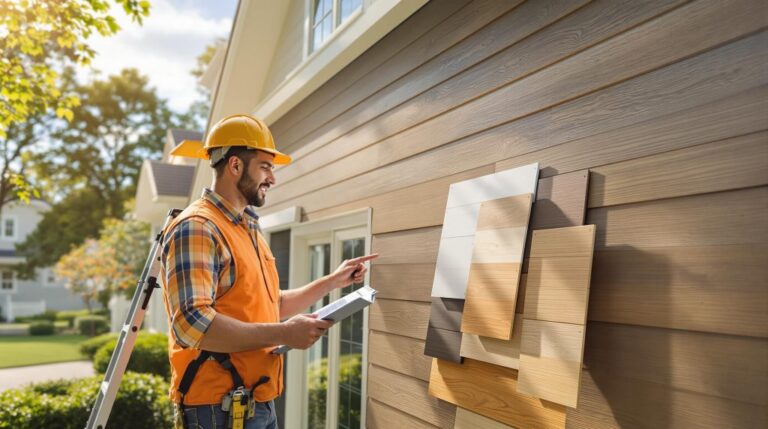
When considering exterior siding replacement, homeowners have several options to choose from in terms of materials. Each type of siding material comes with its own set of pros and cons, including cost, durability, and aesthetics.
Vinyl siding is a popular choice due to its affordability and low maintenance requirements. It comes in a variety of colors and styles, making it versatile in terms of aesthetics. However, vinyl siding may not be as durable as other materials and can crack or fade over time.
The initial cost of vinyl siding is relatively low, but it may require more frequent replacement compared to other materials.
Fiber cement siding is known for its durability and resistance to fire, rot, and pests. It can mimic the look of wood or stucco but requires less maintenance. While the initial cost of fiber cement siding is higher than vinyl, its long-term durability can make it a cost-effective option.
Wood siding offers a natural and classic look to a home. It can be painted or stained in various colors to suit the homeowner’s preference. However, wood siding is prone to rot, pests, and requires regular maintenance such as painting or staining.
The initial cost of wood siding can vary depending on the type of wood used, but the long-term maintenance expenses can add up over time.
Aluminum siding is lightweight, durable, and resistant to fire and pests. It is also low maintenance and comes in a variety of colors. However, aluminum siding can dent easily and may not be as energy efficient as other materials. The initial cost of aluminum siding is moderate, but it may require repainting or touch-ups over time.
Brick siding is known for its longevity and classic appeal. It is fire resistant, low maintenance, and offers excellent insulation properties. However, brick siding is one of the most expensive options upfront due to material and installation costs. Despite the high initial cost, brick siding can last for decades with minimal maintenance.
When considering replacing the exterior siding of your home, it is crucial to have an accurate estimate of the total cost involved. This will help you budget effectively and avoid any surprises along the way. Here is a step-by-step guide on how homeowners can estimate the total cost of replacing exterior siding.
Before you can calculate the cost of replacing your exterior siding, you need to measure the area that needs to be covered. Make sure to measure the height and width of each wall where the siding will be installed. Having precise measurements will ensure that you purchase the right amount of siding material and minimize waste.
In addition to the cost of the siding material itself, homeowners need to consider other expenses such as labor costs, permits, and any additional materials needed for installation. Labor costs can vary depending on the complexity of the job and the rates of the contractors in your area.
Permits may also be required by your local government, so it’s essential to factor in these costs as well.
There are several online tools and calculators available that can help homeowners estimate the cost of replacing their exterior siding. These tools take into account factors such as the type of siding material, the size of the area to be covered, labor costs, and permits.
By inputting these details, homeowners can get a rough estimate of how much the project will cost, allowing them to plan their budget accordingly.
When looking to replace exterior siding on a budget, there are several cost-saving strategies that homeowners can consider. By exploring alternative siding materials, installation methods, and negotiating with contractors, it is possible to lower overall costs without sacrificing quality.
One way to save on exterior siding replacement costs is to explore alternative materials that are more budget-friendly. For example, vinyl siding is a popular choice for its affordability and durability. Additionally, fiber cement siding offers a cost-effective alternative to traditional wood siding, providing a similar aesthetic appeal at a lower price point.
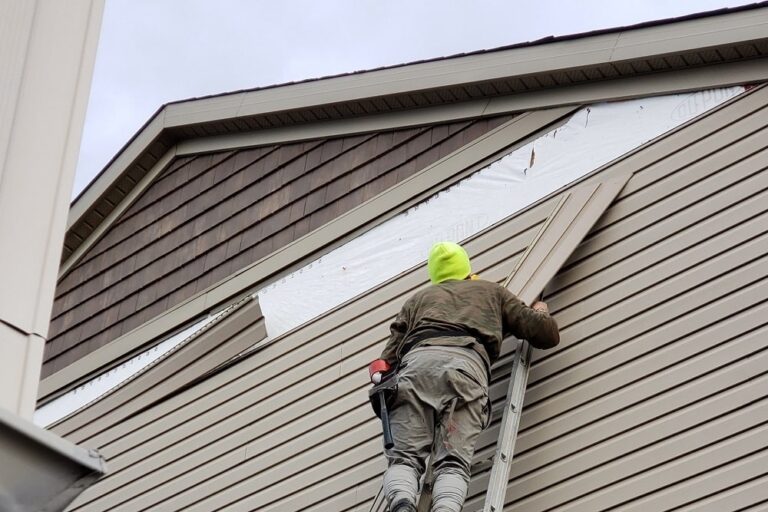
Another budget-friendly tip for exterior siding replacement is to consider DIY installation methods. While hiring a professional contractor may seem like the best option, homeowners with some DIY experience can save money by installing the siding themselves. However, it is important to research the installation process thoroughly and ensure that all safety precautions are followed.
When it comes to replacing exterior siding, homeowners can also save money by negotiating with contractors and suppliers for the best deals on materials and services. By obtaining multiple quotes from different providers and comparing prices, homeowners can leverage competitive pricing to secure a more affordable option.
Additionally, discussing payment plans or bulk discounts with suppliers can help lower costs even further.
What factors influence the cost of replacing exterior siding?
Factors such as material type, siding area, labor costs, and additional expenses like permits can impact the overall cost.
Are there any budget-friendly tips for exterior siding replacement?
Yes, homeowners can explore alternative materials, negotiate with contractors for better deals, and consider DIY options to save on costs.
How can homeowners calculate the total cost of replacing exterior siding?
By obtaining accurate measurements, factoring in labor and permit costs, and utilizing online tools or calculators designed for estimating siding replacement expenses.