House Siding Cost Calculator: Estimate Your Replacement Budget

When estimating the cost of replacing house siding, several factors come into play that can significantly impact the final budget. Understanding these factors is crucial for homeowners looking to plan for this type of renovation project.
The choice of siding material can have a major influence on the overall cost estimate. Different materials, such as vinyl, wood, fiber cement, or metal, vary in terms of initial cost, durability, maintenance requirements, and aesthetic appeal. For example, vinyl siding is generally more affordable than wood or fiber cement, but it may have a shorter lifespan.
On the other hand, wood siding can be more expensive upfront but offers a natural and timeless look. Considering the pros and cons of each material is essential in determining the most suitable option based on your budget and preferences.
The size of the house is another key factor in determining the budget for siding replacement. Larger homes will naturally require more materials and labor, resulting in higher overall costs. The complexity of the house design, number of stories, and architectural details can also impact the amount of siding needed and the level of expertise required for installation.
It’s important to accurately measure the square footage of the exterior walls to ensure an accurate cost estimate.
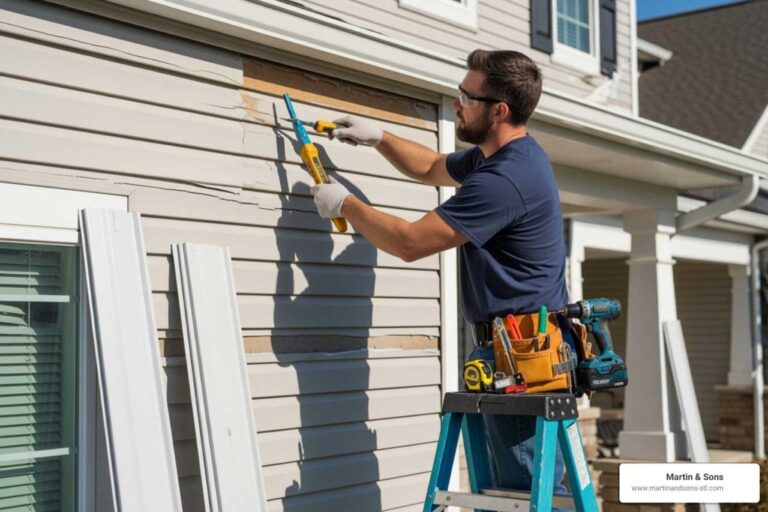
Labor costs play a significant role in the total siding replacement budget. The complexity of the installation process, such as removing old siding, preparing the surface, and installing the new siding, can affect labor costs. Additionally, the location of the house, accessibility of the site, and local labor rates can all influence the final cost of hiring professionals for the job.
It’s recommended to obtain multiple quotes from reputable contractors to compare prices and ensure a fair and competitive labor cost for the project.
When it comes to house siding materials, there are several popular options available, each with its own unique characteristics, costs, and maintenance requirements. Let’s compare and contrast some of the most common siding materials like vinyl, wood, fiber cement, and brick to help you make an informed decision for your home.
Vinyl siding is one of the most affordable options, making it a popular choice for many homeowners. It comes in a variety of colors and styles, is low-maintenance, and has a long lifespan. However, it may not be as durable as other materials and can crack or fade over time, especially in extreme weather conditions.
Wood siding offers a beautiful, natural look that can enhance the aesthetic appeal of your home. It is more expensive than vinyl but provides a timeless charm. Wood siding requires regular maintenance, including staining or painting to protect it from moisture and pests.
While it can last for decades with proper care, it is susceptible to rot, mold, and insect damage.
Fiber cement siding is a versatile and durable option that mimics the look of wood or masonry but without the high maintenance requirements. It is resistant to rot, fire, and pests, making it a long-lasting choice for many homeowners. Fiber cement siding is more expensive than vinyl but can provide a higher return on investment due to its durability and low maintenance needs.
Brick siding is known for its classic and timeless appeal, adding a sense of elegance and sophistication to any home. While brick siding is one of the most expensive options upfront, it is incredibly durable and requires minimal maintenance. Brick siding can last for centuries and is resistant to fire, pests, and harsh weather conditions, making it a worthwhile investment for homeowners looking for long-term durability.
Determining the total cost of house siding replacement involves considering various factors such as material costs, labor costs, and additional expenses. Here’s a step-by-step guide on how to calculate your budget effectively.
When calculating the cost of house siding replacement, it’s essential to break down the expenses into material costs, labor costs, and any additional expenses that may arise during the project. Here’s how you can organize these costs:
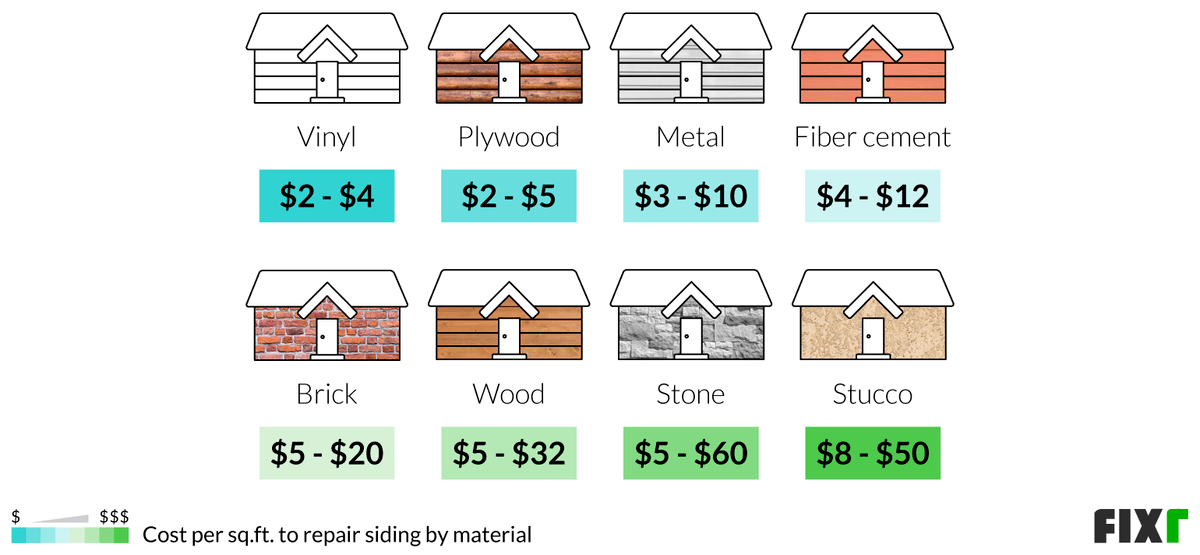
When it comes to replacing your house siding, there are several strategies you can implement to help reduce costs without compromising on quality. From considering DIY installation to practicing proper maintenance, these tips can make a significant impact on your overall budget.
If you have the necessary skills and tools, opting for DIY siding installation can help you save a substantial amount on labor costs. However, it’s crucial to assess your abilities realistically and ensure you can execute the project efficiently and safely.
Keep in mind that mistakes in installation can lead to additional expenses in the long run.
Before making a decision, research and compare prices of different siding materials available in the market. Consider the durability, maintenance requirements, and energy efficiency of each option to determine the most cost-effective choice for your home. Additionally, look for discounts, promotions, or bulk deals that can further reduce your overall expenses.
Proper maintenance of your house siding can prevent premature wear and damage, ultimately saving you money on repairs and replacements. Regularly inspect your siding for signs of wear, rot, or pest infestations, and address any issues promptly. Cleaning your siding periodically can also help maintain its appearance and extend its lifespan, reducing the need for premature replacement.
Investing in energy-efficient siding materials can lead to long-term cost savings by reducing your heating and cooling expenses. Look for siding options with high insulation properties and thermal resistance to improve your home’s energy efficiency. While initial costs may be higher, the long-term savings on energy bills can outweigh the upfront investment.
If possible, consider reusing or recycling materials from your existing siding during the replacement process. Salvaging components like trim pieces, nails, or flashing can help reduce waste and lower your overall expenses. Additionally, explore local recycling programs or initiatives that accept old siding materials to minimize environmental impact and disposal costs.
What factors impact house siding cost calculation?
Factors such as the choice of siding materials, house size, and labor costs play a significant role in determining the overall siding replacement budget.
Can I save costs on house siding replacement?
Yes, cost-saving strategies like DIY installation, choosing budget-friendly materials, and proper maintenance can help reduce house siding replacement expenses.