
Free Roof Estimate: How to Calculate Replacement Costs Before Hiring a Roofer
Free Roof Estimate: How to Calculate Replacement Costs Before Hiring a Roofer sets the stage for this enthralling narrative, offering readers a glimpse into a story that is rich in detail and brimming with originality from the outset.
As we delve into the intricacies of roof replacement costs, we uncover the key factors that influence pricing, explore the various roofing materials available, and provide insights into labor costs and installation expenses.
When calculating the cost of a roof replacement, several factors come into play that can significantly impact the overall estimation. Understanding these factors and how they influence the costs can help homeowners make informed decisions when hiring a roofer.
The type of roofing material used can have a significant impact on the overall cost of a roof replacement. Different materials, such as asphalt shingles, metal, tile, or wood shakes, come at varying price points. For example, metal roofing tends to be more expensive upfront compared to asphalt shingles, but it may last longer, reducing long-term costs.
The size and complexity of the roof also play a crucial role in determining replacement costs. A larger roof will require more materials and labor, leading to higher expenses. Additionally, roofs with complex designs or multiple angles may require additional time and expertise to install, increasing the overall cost.
The roof’s pitch, or slope, can impact the difficulty of installation and, consequently, the cost. Steeper roofs are more challenging to work on and may require additional safety precautions, equipment, and labor, leading to higher replacement costs.
The condition of the underlayment and decking beneath the roof’s surface can also influence replacement costs. If these components are damaged or deteriorated, they will need to be replaced, adding to the overall expenses. Poor underlayment or decking can also affect the longevity and performance of the new roof.
The local climate and weather conditions in the area can impact the choice of roofing materials and installation techniques, affecting costs. For instance, areas prone to severe weather may require more durable and weather-resistant materials, which can be more expensive than standard options.
The experience and reputation of the roofing contractor can also affect replacement costs. Established and reputable contractors may charge higher fees for their expertise and quality of work, but they can provide added peace of mind and assurance of a job well done.
Additional features, such as skylights, chimneys, or ventilation systems, can add to the overall cost of a roof replacement. Upgrades like energy-efficient materials or solar panels can also increase expenses but may offer long-term savings on energy bills.
The location of the property and ease of access to the roof can impact replacement costs. Properties in remote or challenging-to-reach locations may require additional time and effort to transport materials and equipment, leading to higher expenses.
Obtaining necessary permits and complying with local building regulations can also affect the cost of a roof replacement. Failure to meet these requirements can result in fines or delays, adding to the overall expenses.
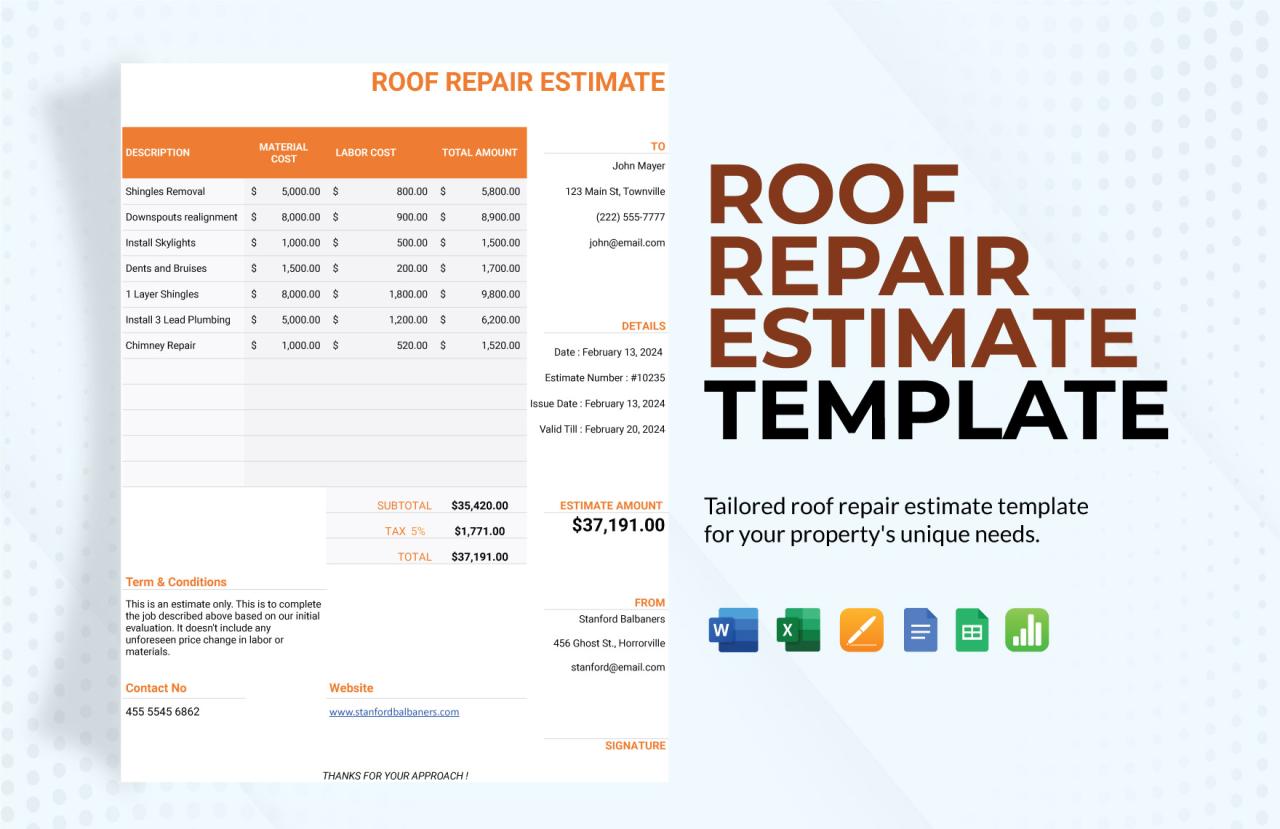
When it comes to replacing a roof, the choice of roofing material plays a significant role in determining the overall cost. Different materials come with varying price tags and longevity, so it’s essential to understand the options available before making a decision.
Asphalt shingles are the most common roofing material due to their affordability. They are available in various colors and styles, making them a versatile option for many homeowners. The cost of asphalt shingles typically ranges from $1 to $5 per square foot, depending on the quality and brand.
Metal roofing is known for its durability and longevity, lasting up to 50 years or more with proper maintenance. While metal roofs have a higher upfront cost compared to asphalt shingles, ranging from $5 to $15 per square foot, they can save money in the long run due to their longevity and energy efficiency.
Wood shakes provide a natural and rustic look to a home, but they require more maintenance compared to other materials. The cost of wood shakes can vary greatly, ranging from $6 to $12 per square foot, depending on the type of wood used.
Tile roofing offers a unique and elegant appearance to a home and is known for its longevity, lasting up to 50 years or more. However, tile roofing comes with a higher price tag, typically ranging from $10 to $20 per square foot, making it a more expensive option.
Slate roofing is one of the most durable roofing materials available, with a lifespan of up to 100 years or more. However, slate roofing also comes with a hefty price tag, ranging from $10 to $20 per square foot. The high cost is often justified by the longevity and durability of the material.
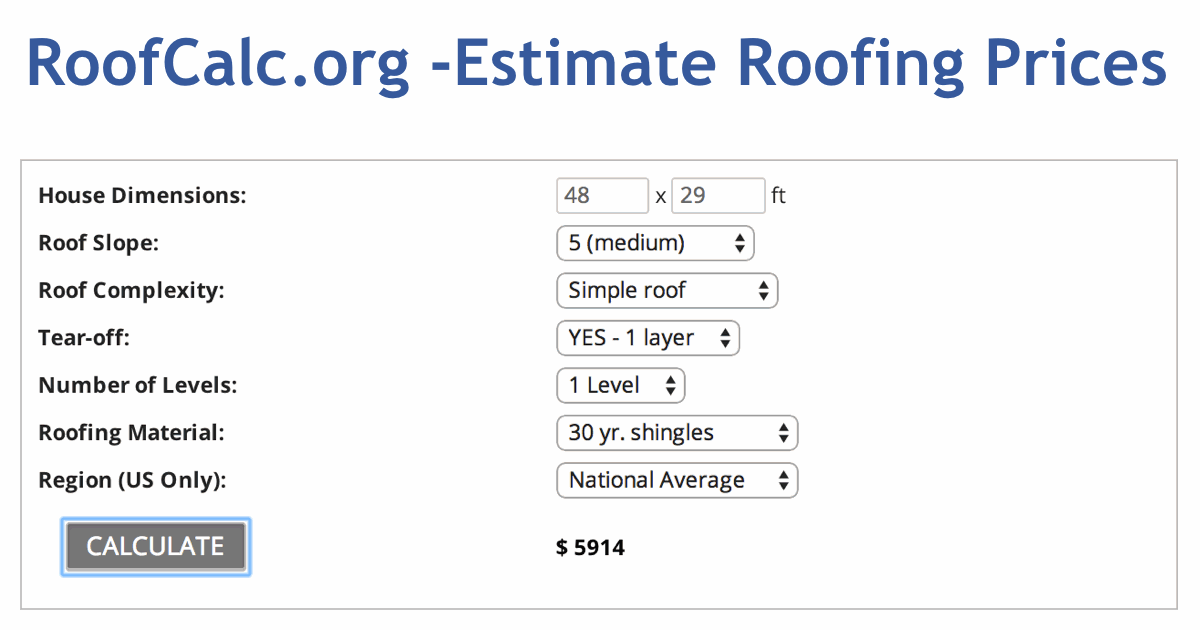
In a roof replacement estimate, labor costs and installation expenses play a significant role in determining the overall cost of the project. Understanding how these costs are calculated and factored in is crucial for homeowners looking to hire a roofer.Labor costs in a roof replacement estimate are typically calculated based on the size of the roof, the complexity of the project, and the hourly rates of the roofing crew.
Roofing companies may also consider other factors such as the location of the property, accessibility to the roof, and the need for specialized equipment when determining labor costs.It is important to factor in installation expenses when calculating the total cost of a roof replacement.
Installation expenses include the cost of removing the old roof, preparing the roof deck, installing the new roofing materials, and cleaning up the work area after the project is completed. These expenses are essential for ensuring a high-quality and long-lasting roof replacement.
When it comes to roof replacement, obtaining multiple estimates from different roofers is crucial in making an informed decision. By comparing these estimates, you can ensure that you are getting the best value for your money and quality workmanship for your roof.
What factors can influence roof replacement costs?
Factors like roof size, materials used, and extent of damage can all impact the overall cost of a roof replacement.
How do you calculate labor costs in a roof replacement estimate?
Labor costs are typically calculated based on the time required for the job, the expertise of the laborers, and any additional services needed.
Why is it important to obtain multiple estimates before hiring a roofer?
Obtaining multiple estimates allows you to compare prices, services offered, and the quality of work from different roofers, helping you make a more informed decision.