Windows and Siding Replacement Cost: Is a Full Exterior Upgrade Worth It?
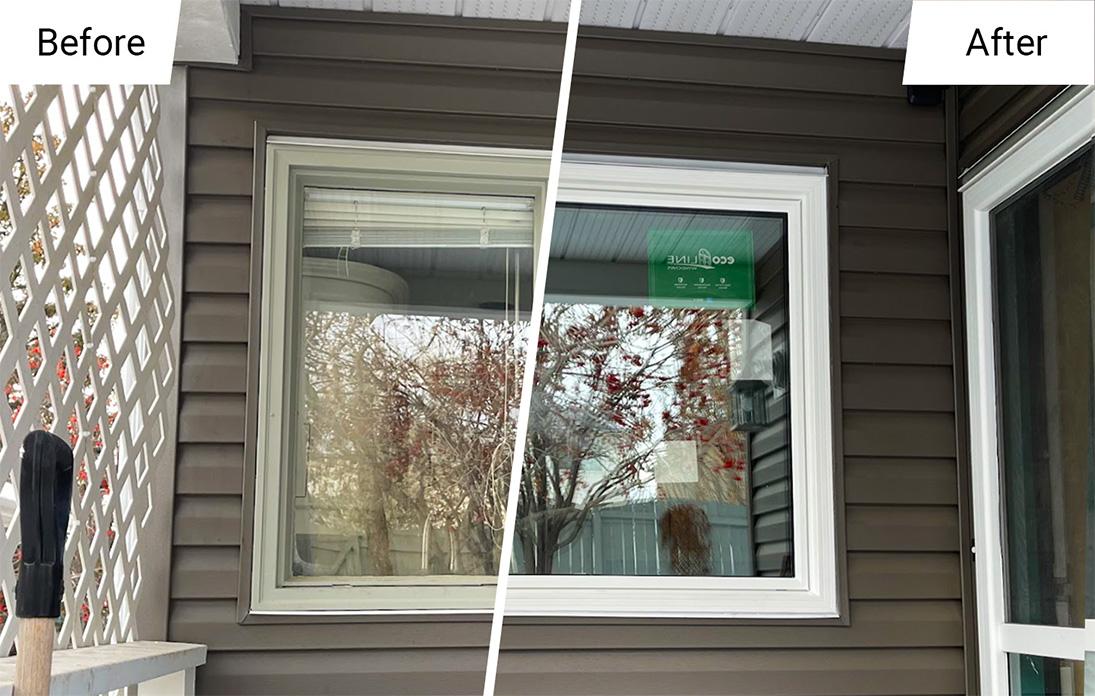
When considering a full exterior upgrade for your home, it’s essential to understand the key factors that can impact the cost of replacing windows and siding. These factors can vary significantly and play a crucial role in determining the overall investment required for such upgrades.
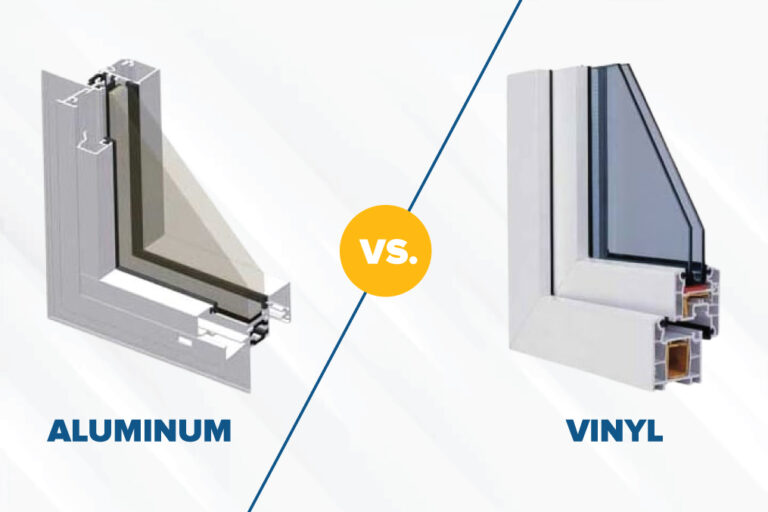
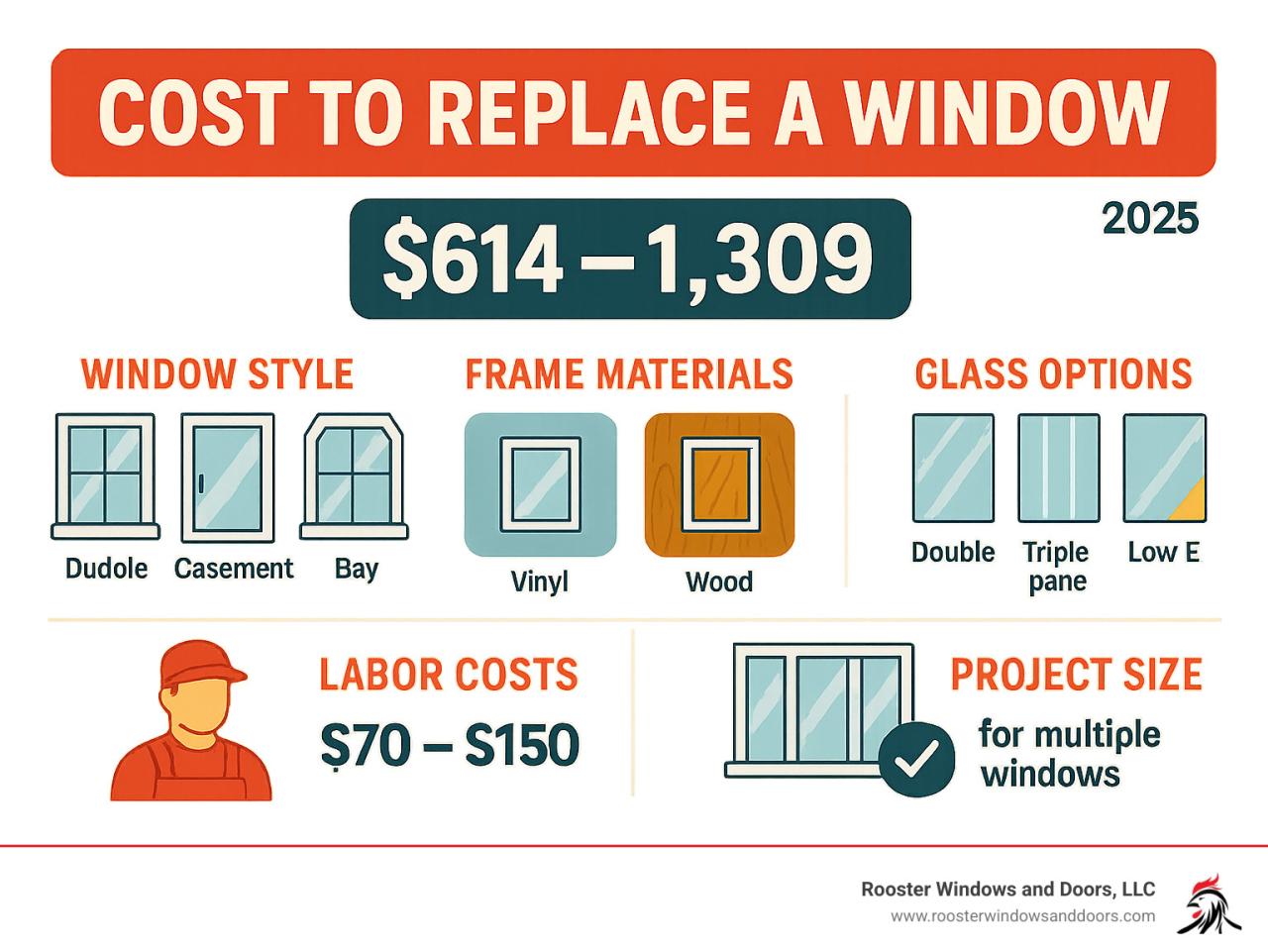
The type and quality of materials used for windows and siding replacement can heavily influence the overall cost. High-quality materials such as vinyl, fiberglass, or wood will generally come at a higher price point compared to more budget-friendly options like aluminum or basic vinyl.
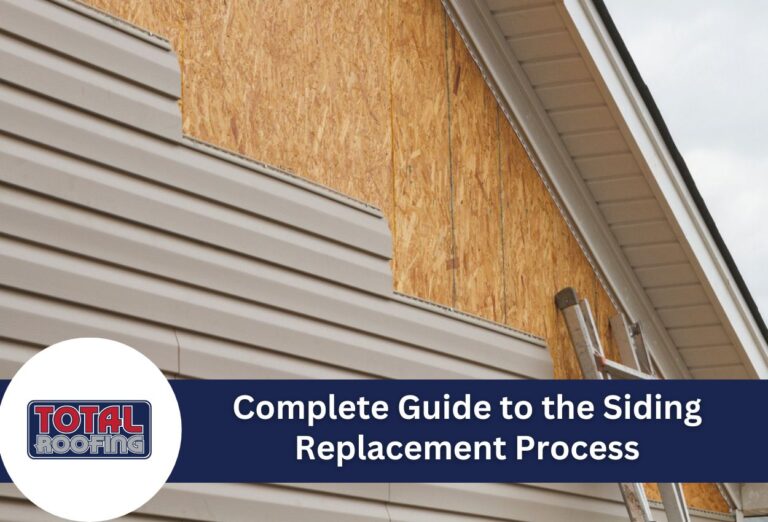
The size and scope of the project also play a significant role in determining the cost of replacement. Larger homes or those with intricate designs may require more materials and labor, leading to higher overall costs. Additionally, if structural repairs are needed before installation, this can add to the final price.
Opting for energy-efficient windows and siding can increase the initial cost of replacement. However, these upgrades can lead to long-term savings on energy bills, making them a worthwhile investment in the future. Factors like Low-E coatings, double or triple-pane glass, and insulated siding can all impact the cost but offer benefits in terms of energy efficiency.
The cost of labor and installation can vary based on the complexity of the project. Factors such as the need for scaffolding, removal of existing materials, or customization requirements can all impact the overall cost. Hiring experienced professionals for installation may come at a higher price but ensures quality workmanship and a seamless finish.
The location of your home and the time of year can also influence replacement costs. Areas with higher labor costs or strict building codes may lead to increased prices. Additionally, scheduling replacements during peak seasons may result in higher demand and prices, while off-peak times could offer cost savings.
Incorporating additional features or customizations, such as decorative trims, special finishes, or unique window styles, can add to the overall cost of replacement. While these elements can enhance the aesthetic appeal of your home, they should be considered in the budgeting process to avoid unexpected expenses.
Considering the long-term maintenance and durability of the materials chosen for replacement is essential in evaluating the overall cost. While higher-quality materials may come at a premium, they often require less maintenance and have a longer lifespan, potentially saving money in the long run compared to cheaper alternatives that may need frequent repairs or replacements.
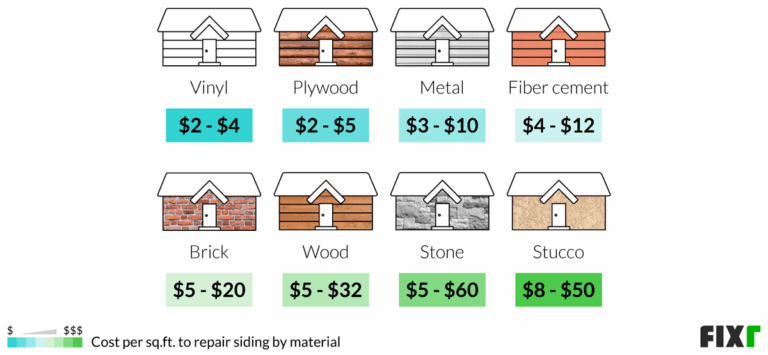
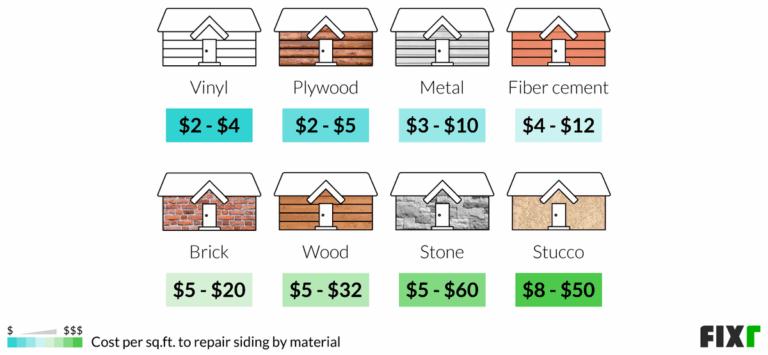
When it comes to replacing windows and siding, choosing the right materials is crucial. Different materials offer varying levels of durability, energy efficiency, and aesthetic appeal. Let’s compare the cost implications of popular material options like vinyl, wood, aluminum, and fiber cement.
When considering windows and siding replacement, one crucial factor to take into account is the importance of energy efficiency. Energy-efficient upgrades not only contribute to a more sustainable environment but also offer several benefits in terms of cost savings and overall comfort.
Energy-efficient windows and siding are designed to minimize heat transfer, keeping the interior of your home at a more consistent temperature throughout the year. This means that during hot summer months, your cooling system doesn’t have to work as hard to maintain a comfortable indoor environment, and in the winter, your heating system can operate more efficiently.
As a result, you consume less energy, leading to reduced utility bills.
While the initial cost of energy-efficient windows and siding may be higher compared to traditional options, the long-term savings can be significant. By reducing your energy consumption, you not only save money on monthly bills but also decrease the wear and tear on your HVAC systems, potentially extending their lifespan.
Additionally, energy-efficient upgrades can increase the overall value of your home, making it a wise investment in the long run.
Investing in a full exterior upgrade, including windows and siding replacement, can have a significant impact on the overall value of a property. Not only does it enhance the curb appeal, but it also improves the energy efficiency and functionality of the home.
Let’s delve into the potential ROI of such an investment and how it can add value to a property.
One of the key benefits of a full exterior upgrade is the potential increase in property value. By enhancing the aesthetics and functionality of the home, potential buyers are more likely to be attracted to the property and willing to pay a premium for it.
This can result in a higher resale value, providing a favorable return on the initial investment.
Improving the exterior of a property can significantly enhance its curb appeal, making it more visually appealing and inviting. This not only creates a positive first impression but also sets the property apart from others in the neighborhood. A well-maintained exterior can increase the perceived value of the home, leading to a higher ROI in the long run.
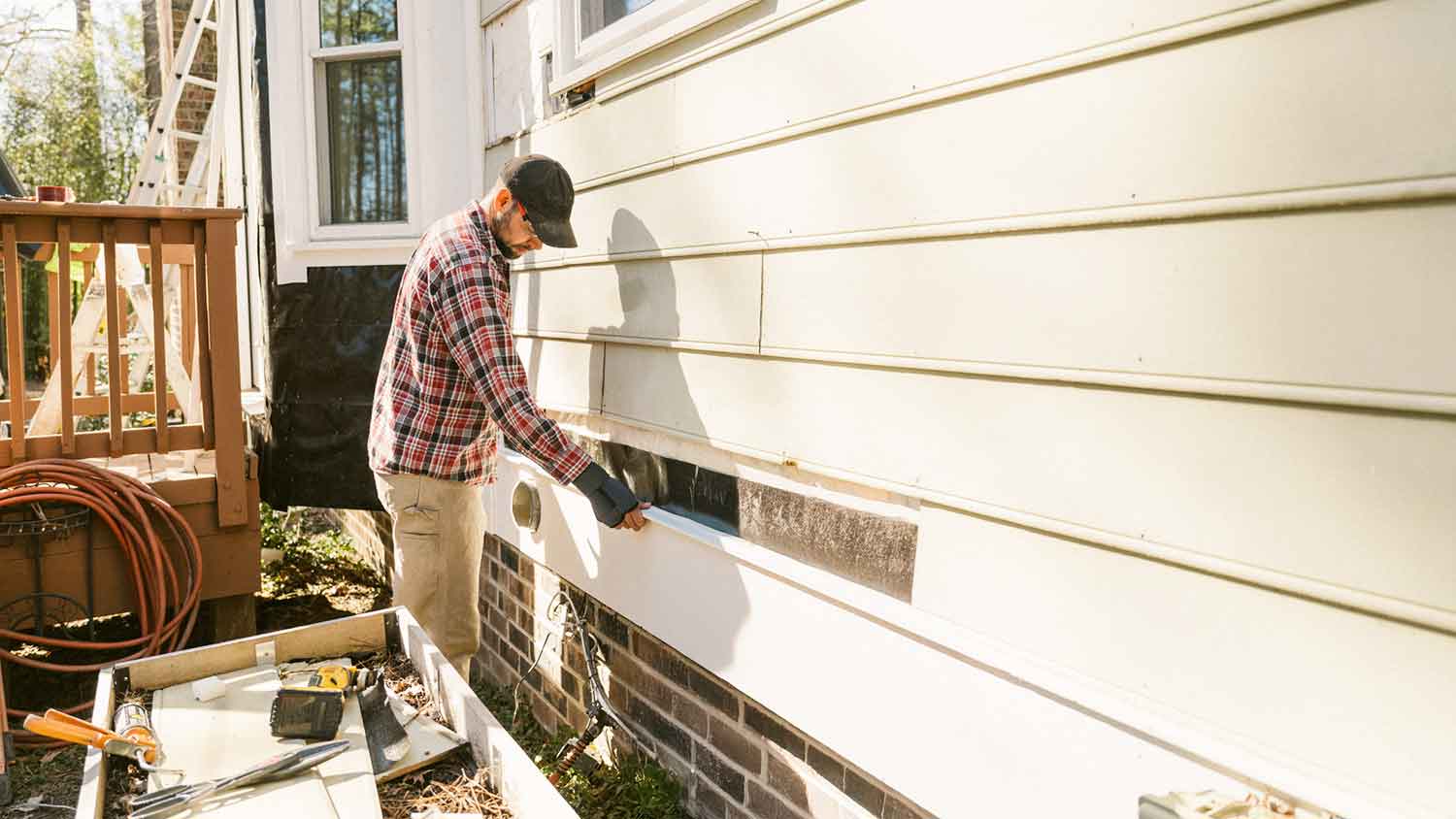
When planning for windows and siding replacement, it is crucial to create a budget that aligns with your financial capabilities. Effective budgeting will not only help you stay on track with your expenses but also ensure that you get the best value for your investment.To help you budget effectively for your windows and siding replacement project, consider the following tips:
Before committing to any contractor or material supplier, make sure to obtain quotes from several different sources. This will give you a better idea of the market rates and allow you to choose the option that fits within your budget.
Identify the most critical areas that need replacement or repair and prioritize those upgrades. By focusing on essential components first, you can allocate your budget more efficiently and avoid overspending on non-essential features.
While energy-efficient windows and siding may have a higher upfront cost, they can lead to significant long-term savings on your energy bills. Investing in quality materials that improve the energy efficiency of your home can help offset the initial expenses over time.
If you have the skills and tools required, consider taking on some of the replacement tasks yourself. DIY projects can help you save on labor costs, but be sure to assess your capabilities realistically to avoid any costly mistakes.
Set aside a portion of your budget for unexpected expenses or contingencies that may arise during the project. It is essential to have a buffer to cover any unforeseen costs without compromising the quality of the replacement work.
What are the key factors influencing windows and siding replacement cost?
The key factors include material choice, labor costs, project scope, and any additional upgrades or features desired.
Which material options are commonly used for windows and siding replacements?
Common material options include vinyl, wood, aluminum, and fiber cement, each with varying cost implications and benefits.
How can energy efficiency impact the overall cost of exterior upgrades?
Energy-efficient upgrades can lead to long-term cost savings through reduced energy bills and potentially increase property value.
What is the potential return on investment for a full exterior upgrade?
The ROI depends on factors like market conditions, quality of materials, and the overall impact of the upgrade on property value.
What are some budgeting tips for windows and siding replacement projects?
Effective budgeting tips include getting multiple quotes, prioritizing essential upgrades, and considering long-term savings versus immediate costs.